Beyond the 81,200 Millionaires: Why Blackstone's Return to DIFC Validates Dubai's Real Estate Cycle
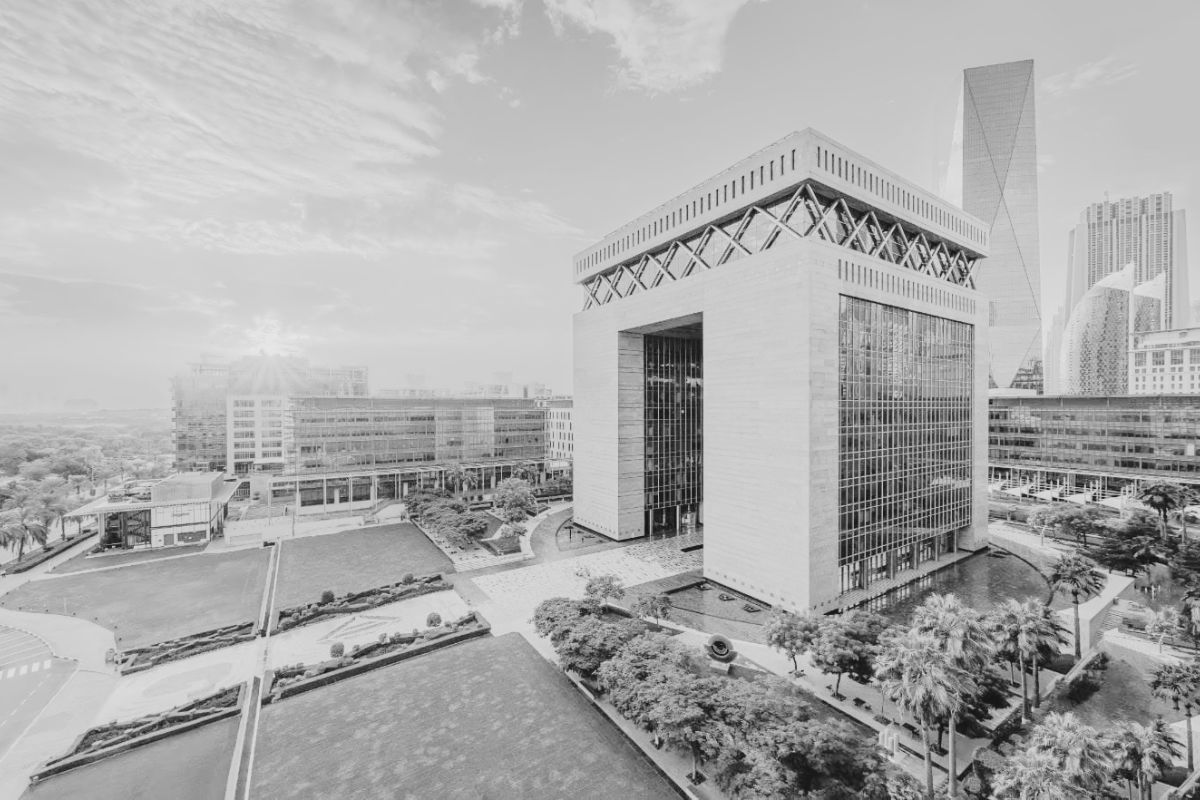
Quick orientation. Dubai has moved to number 18 globally in private wealth, now hosting 81,200 millionaires, 237 centi-millionaires, and 20 billionaires. At the same time, Blackstone is preparing to return to DIFC while retaining its Abu Dhabi presence. This is not just a luxury housing signal. It is a structural capital-market signal.
Dubai’s jump to number 18 globally in private wealth captured headlines worldwide.
The city now hosts 81,200 millionaires, 237 centi-millionaires with more than USD 100 million, and 20 billionaires. A 102% surge in high-net-worth individuals over the last decade confirms that capital migration from high-tax jurisdictions is structural.
Yet private wealth migration is only half the equation.
The broader market shift is occurring at the institutional level. Blackstone, with USD 1.35 trillion in assets under management, is preparing to open a new office in the Dubai International Financial Centre (DIFC), returning to Dubai while retaining its existing presence in Abu Dhabi.
When individual high-net-worth liquidity and global institutional managers move simultaneously, real estate market dynamics evolve permanently.
1. Private Wealth Drives Immediate Inventory Absorption
Private wealth influx acts as a 12-to-18-month leading indicator for real estate cycles.
Direct liquidity deployment: High-net-worth individuals absorb ready prime residential inventory, primarily luxury villas, penthouses, and waterfront assets, using liquid cash.
Supply compression: High cash-transaction volume in the AED 10 million plus category rapidly dries up ready secondary inventory in core districts.
Index lag: Official real estate transaction registries reflect price adjustments 12 to 18 months after private capital enters the local ecosystem.
2. Institutional Capital Creates Long-Term Fundamentals
While private millionaires absorb luxury residential inventory, institutional entities such as Blackstone establish structural permanence.
High-earning corporate employment: Global asset managers, hedge funds, and private banks bring senior executives and dealmakers who generate sustained demand for prime commercial office space and long-term luxury rentals.
Evolution from tourism to financial hub: Sustainable property markets require corporate headquarters and professional services rather than relying strictly on off-plan launches and holiday buyers.
Dual-emirate commitment: Operating parallel bases in ADGM in Abu Dhabi and DIFC in Dubai confirms that the UAE has established critical mass of institutional deal volume across both public sovereign funds and private wealth.
3. What Investors Should Track Right Now
To front-run market shifts, ignore surface-level marketing and track three core operational metrics.
Cash vs. mortgage ratios in prime segments: A cash-transaction share above 80% in the luxury tier signals direct wealth deployment ahead of index adjustments.
Grade A commercial vacancy rates in DIFC and Downtown: Shrinking commercial availability directly precedes residential rental growth in adjacent communities.
Institutional licensing velocity: Growth in single family offices and financial fund registrations predicts physical residential demand 6 to 12 months in advance.
Dubai is no longer a speculative holiday destination.
The simultaneous arrival of 81,200 millionaires and USD 1.35 trillion asset management firms confirms a structural shift into a global financial center. Institutional capital and private wealth move long before public real estate indexes reflect price changes.
Type "DIFC Wealth Cycle" in message field
Sources:
- Henley & Partners / World’s Wealthiest Cities Report
- Reuters
Disclaimer: Informational content only. Permit: 5798161